
The Supply Chain Management (SCM) module in an ERP system is crucial for overseeing and optimizing the flow of goods, information, and finances as they move from supplier to manufacturer to wholesaler to retailer to consumer. This module integrates various functions to ensure that supply chain operations are efficient, cost-effective, and responsive to customer needs.
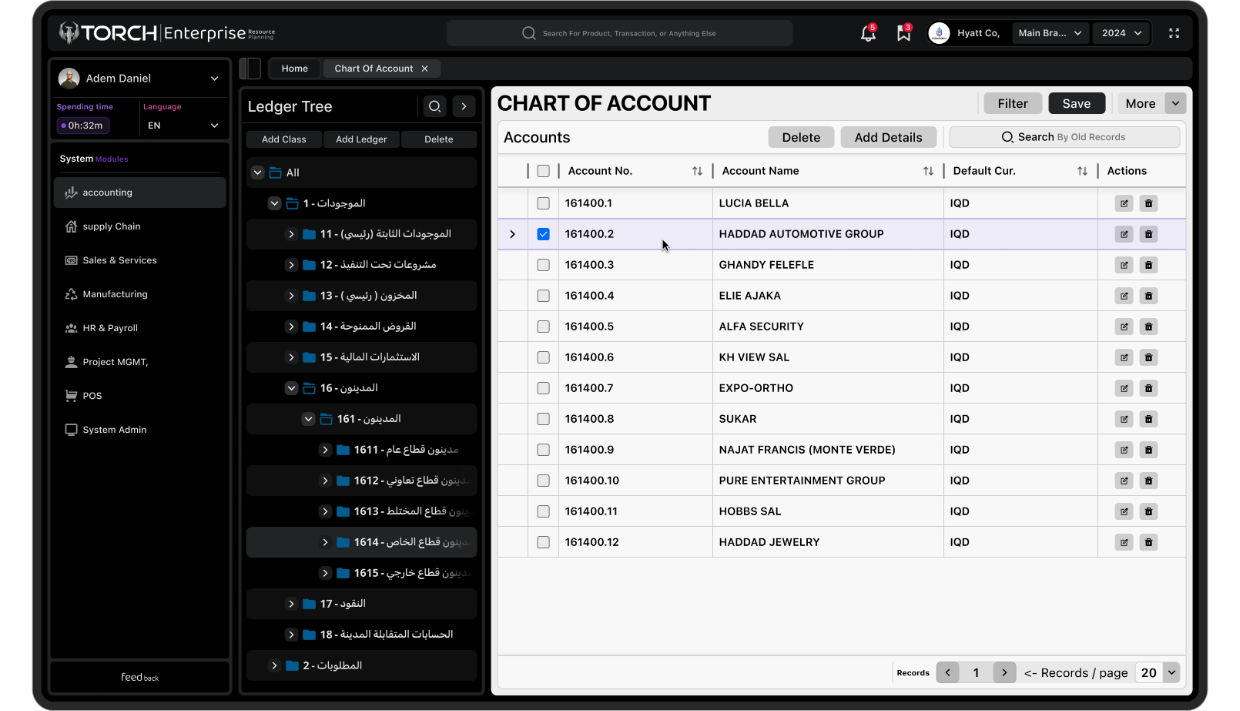
Innovation in Every Link of the Chain

Monitors inventory levels in real-time across multiple locations.Manages stock replenishment, safety stock, and reorder points.Tracks inventory movements, ensuring accurate records of stock on hand.

Processes customer orders, ensuring timely and accurate fulfillment.Manages sales orders, order picking, packing, and shipping.Tracks order status and delivery performance.

Optimizes warehouse operations, including receiving, storing, and picking goods.Manages warehouse space, layout, and inventory tracking.Supports barcode scanning and RFID technology for accurate inventory control.

Plans production schedules based on demand forecasts and inventory levels.Manages work orders, production processes, and capacity planning.
Ensures optimal use of resources and minimizes production delays.

Plans and manages transportation routes and schedules.Optimizes shipping and delivery operations to reduce costs and improve service.
Tracks shipments, manages carriers, and handles freight payments.

Analyzes historical data and market trends to predict future demand.Helps in creating accurate demand forecasts and production plans.Aligns inventory levels with expected demand to reduce stock outs and overstock.

Provides real-time insights into supply chain performance.Analyzes key metrics such as lead times, inventory turnover, and order fulfillment rates.
Supports data-driven decision-making and continuous improvement.

Manages interactions with suppliers, ensuring reliable supply and quality.Tracks supplier performance and compliance with contracts.Facilitates collaboration and communication with suppliers.
Streamlines supply chain processes, reducing waste and delays.
Optimizes procurement, inventory, and logistics, leading to cost savings.
Provides real-time data and insights across the supply chain.
Enhances communication and coordination with suppliers and partners.
Ensures timely and accurate order fulfillment.
Identifies and mitigates risks in the supply chain.

The Point of Sale (POS) module in an ERP system is designed to streamline and enhance...
Learn more
The Project Management module in an ERP system is designed to streamline and optimize...
Learn more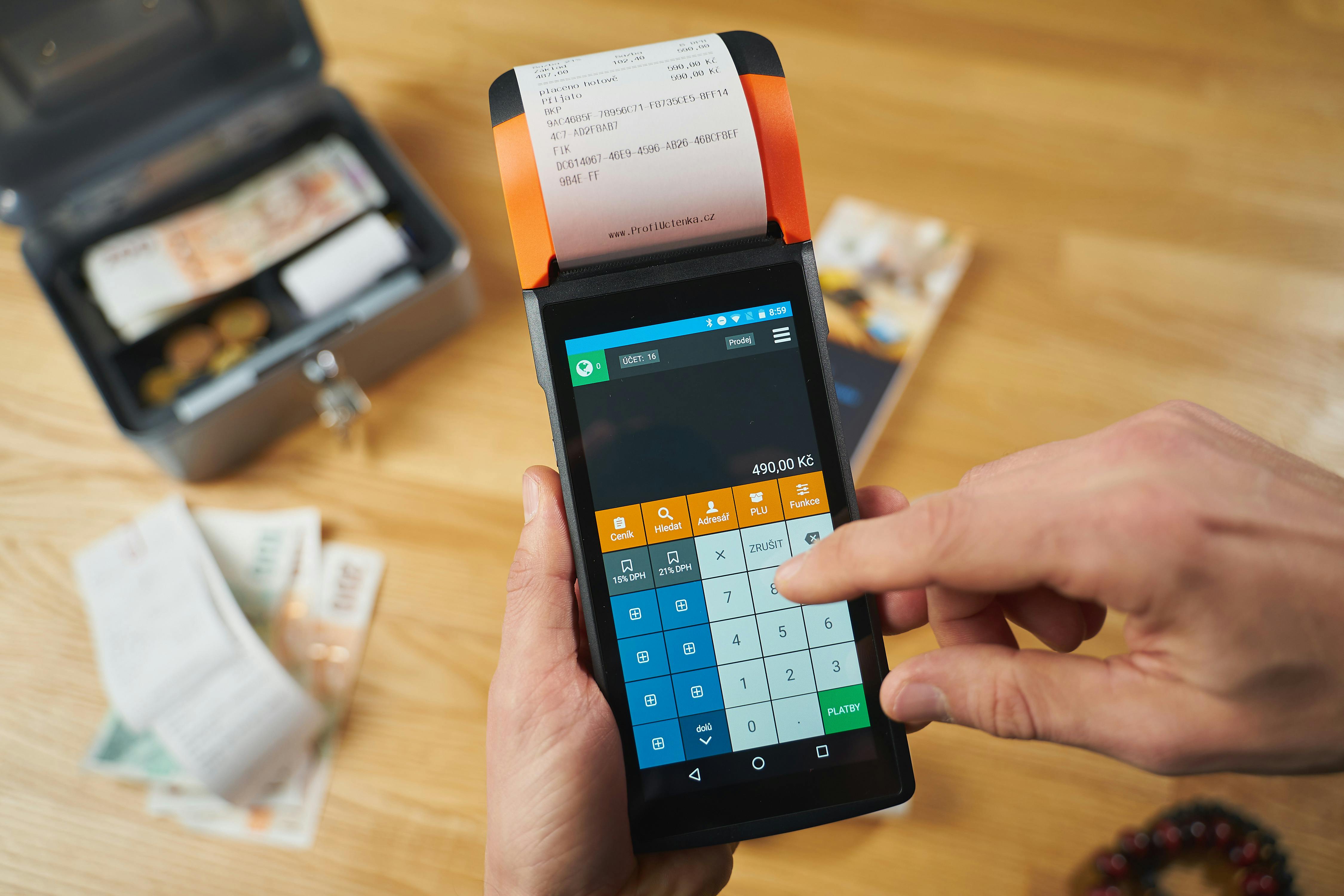
The Dashboard module in an ERP system is designed to provide a visual overview of key...
Learn more